Takeaways from NAACOs 2026 from Kelly Hidde
What Actually Stays With You After NAACOS
2026 Takeaways from Kelly Hidde
There is always a polished version of a conference.
It lives in the agenda, in the keynote titles, and in the sessions carefully designed to educate and inform. It is structured, intentional, and valuable in its own right. Then there is the version that stays with you. The one that is harder to capture but ultimately more meaningful. It happens in conversations between sessions, at the booth, and in the moments where people speak openly about what is working and what is not.
This year, that version stood out.
The agenda delivered. The sessions broke down the complexity of accountable care in a way that felt more accessible than ever. The familiar “alphabet soup” of programs—ACO REACH, LEAD, TEAM, ACCESS, ASM, and more—was unpacked with clarity, helping bring structure to topics that often feel overwhelming. Leaders like Jacob Schiff grounded policy in purpose, connecting it back to outcomes in a way that made it easier to understand not just what is changing, but why it matters. The keynote, highlighted in Morgan’s reflection, delivered exactly what it should. It was forward looking, thoughtful, and aligned to where healthcare is heading.
And yet, what stayed with me had very little to do with slides.
One of the things I value most about conferences like NAACOS is the opportunity to hear directly from the people doing the work. Not the frameworks or the theory, but the reality. Spending time with ACO leaders, providers, and operators, there was a consistent theme that came through again and again. Alignment is still hard, but the commitment is real. There is a genuine desire to improve outcomes, reduce fragmentation, and make healthcare feel less transactional and more connected.
What stood out most was how often conversations returned to the patient. Not as a metric or a performance measure, but as a person navigating a system that still feels too complex.
Walking the floor and connecting with other vendors made it clear that technology in healthcare is advancing quickly. Analytics are more sophisticated. Workflows are becoming more integrated. Data is more available than ever before. Yet the most energizing feedback I received was not about features or functionality. It was about access.
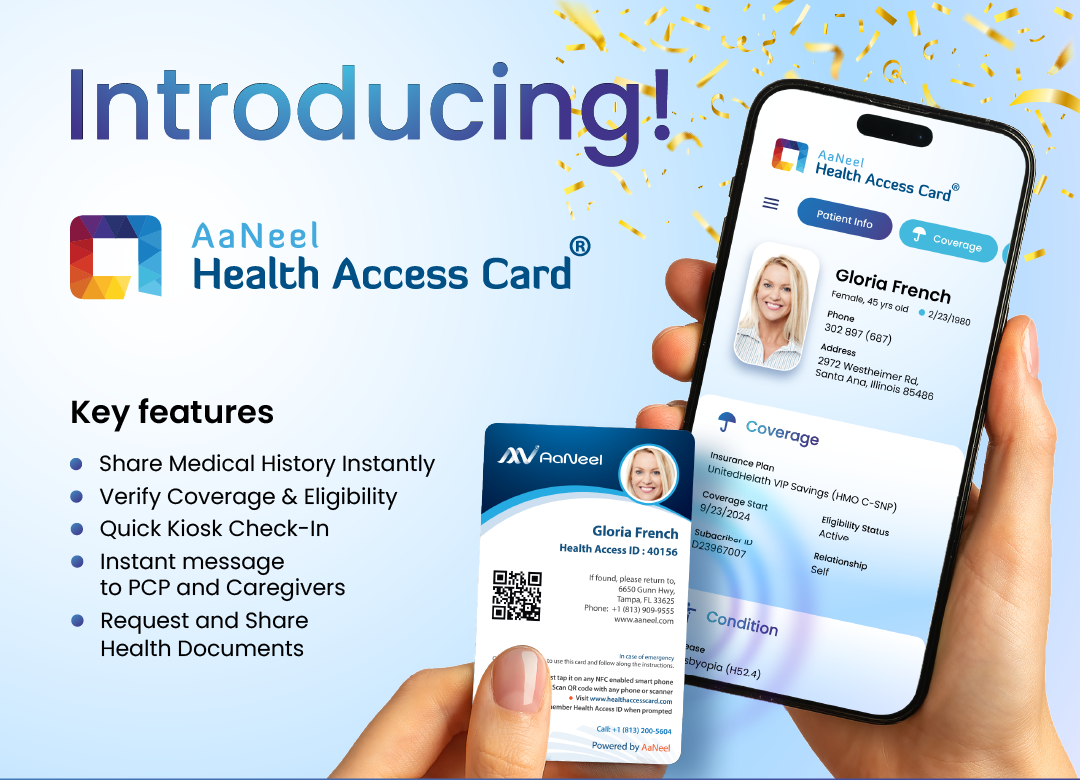
When people saw the idea of a patient having their information with them at the point of care, the response was immediate. Not because it is technically impressive, but because it feels obvious. The patient should have their record. Information should follow them. Access should not be the barrier. That reaction reinforced something important. Innovation only matters when it aligns with what people instinctively know should already exist.
Some of the most meaningful moments were not scheduled. They happened at the booth, between sessions, and during small, unexpected interactions. We created a simple moment of engagement with a lemon and a coin. It started as something light, but it quickly became something more. It gave people a reason to pause, laugh, and connect.
In those moments, conversations shifted. People shared what they are struggling with. They talked about what is working in their organizations. They spoke openly about the pressure of delivering results in an environment that is constantly evolving. These are the conversations that do not make it into presentations, yet they are the ones that drive real progress.
The agenda delivered education, structure, and clarity. The real learning happened in the margins. It came from feedback shared by clients who see potential in what we are building. It came from candid conversations with peers about what is not working. It came from a shared understanding that everyone is trying to solve the same problem from different angles.
If I had to summarize what made this experience meaningful, it would not be a single session or takeaway. Technology is accelerating. Policy is evolving. Models are becoming more sophisticated. Progress still depends on people.
It depends on their willingness to collaborate. It depends on their honesty about challenges. It depends on their openness to new ideas. Most importantly, it depends on a shared belief that healthcare can work better than it does today.
NAACOS was a reminder that while we spend time building systems, optimizing workflows, and analyzing data, the real impact happens when we stay grounded in the human experience behind all of it.
This conference was not just informative. It was energizing. Not because of what was presented, but because of what was shared. The perspectives, the conversations, and the moments of connection are what move this industry forward.
That is what I will carry with me long after the conference has ended.