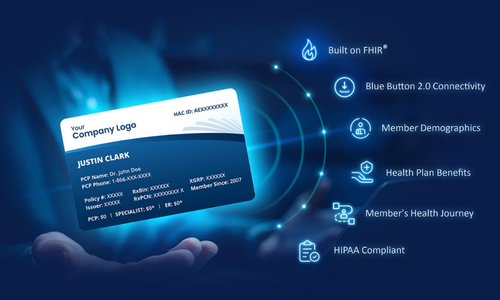
CMS Interoperability Readiness
When the Rules Change,
the Whole Team Has to Be Ready
Rules are not changed without purpose. They evolve when the standard of the game needs to rise.
In football, the league continually evaluates where players are being put at risk, where confusion is affecting the game, where calls are creating unnecessary friction, and where the experience can improve for teams, coaches, and fans. The objective is not change for the sake of change. It is to strengthen the game by raising expectations for safety, consistency, and long-term readiness.
Healthcare is facing a similar moment. CMS has identified areas where the healthcare ecosystem needs to function differently, but those changes did not happen in isolation. They reflect a broader conversation that has been building across healthcare for years as providers, payers, technology leaders, advocacy groups, and healthcare organizations have called attention to challenges affecting care delivery, administrative burden, data access, prior authorization, and the patient experience.
The rules may be changing, but the larger question is what happens after the rulebook is updated. That is where the entire healthcare team comes in.
The League: CMS Sets the Rules of the Game
Prior authorization has long been a source of frustration across healthcare. Delays can slow access to care, increase administrative burden, and make it harder for providers and members to understand what needs to happen next. CMS is responding by setting expectations intended to make information more accessible, decisions more understandable, and processes more connected across the people and organizations involved in care.
At its core, the goal is to help healthcare work better for the person receiving care and the provider trying to deliver it. But changing the rules does not perfect the game overnight. Football continues to evolve because each season reveals something new. A rule may solve one problem while exposing another, and teams learn where communication failed, where protection broke down, or where the strategy needs to change before the next matchup.
Healthcare will evolve the same way. Organizations will learn, workflows will be tested, gaps will become visible, and new questions will emerge. In some cases, organizations will discover that meeting the requirement was only the beginning and that the more important work involves making sure people, systems, and workflows are ready to perform together.
CMS can establish the expectations, but it does not run the play for every organization. Each organization must determine how it will respond, where its gaps exist, which teams need to be involved, and what needs to change to execute successfully. Once the league sets the rules, the team still has to prepare for the game.
The Coaches: Executive Leadership Sets the Strategy
Once the league identifies where the game needs to improve, coaches have to decide how their team will respond. They cannot ignore the rules, and every team has to operate within the boundaries that have been established. However, coaches still have the responsibility and the creative freedom to design the strategy, build the playbook, and prepare their players for success.
That same opportunity exists for healthcare organizations. CMS may define the requirements, but organizations still have considerable responsibility for determining how those requirements will work within their own environments. Executive leadership helps set that direction by evaluating what the organization needs, bringing the right people into the conversation, and creating the structure that allows each part of the team to contribute.
This does not make executive leadership more important than clinical, operational, technology, compliance, or frontline teams. A coach cannot execute the play without the players, and no single role can carry an organization through change alone. Leadership helps create the conditions for the team to succeed, while the people throughout the organization bring the expertise needed to make the strategy work.
That may mean evaluating current prior authorization processes, identifying where manual steps create unnecessary delays, reviewing gaps in data access, strengthening provider and member communication, or making sure clinical, compliance, technology, and operational teams are working from the same strategy. The strongest approach is not one in which leadership dictates every answer. It is one in which the right people have a meaningful role in developing those answers.
Executive leaders do not need to have every technical or clinical solution. Their responsibility is to create the environment in which the right solutions can be identified, supported, and put into practice. Strong strategy comes from understanding what CMS requires, recognizing what is already working, identifying where gaps remain, and giving the people closest to those challenges the resources and authority they need to address them.
The coaches do not win the game alone. Their role is to make sure the team understands where it is going, why the strategy matters, and what everyone needs in order to execute successfully.
The Quarterback: Clinical Leadership Reads the Field
Once the strategy is established, someone has to connect that strategy to what is happening on the field. In football, the quarterback reads the defense, understands the pressure, communicates the play, and makes decisions as the game unfolds. Sometimes the right move is to push forward. Other times, the smarter decision is to adjust, protect the play, and keep the team in control.
 The quarterback does not win the game alone, but the ability to see the field and respond to changing conditions can influence what happens next. Clinical leadership plays a similar role by connecting organizational strategy to the realities of care delivery.
The Chief Medical Officer often helps determine what broader organizational decisions mean for documentation, quality, provider workflows, medical necessity, clinical decision making, and patient outcomes. That clinical perspective matters because healthcare transformation cannot be driven by regulation, technology, or operations alone. It must remain connected to the judgment and realities behind the care being delivered.
When new requirements are introduced, organizations naturally begin by evaluating systems, policies, timelines, workflows, and reporting obligations. Clinical leadership helps make sure those decisions also account for physicians, nurses, care coordinators, providers, and the people receiving care. The CMO can help identify where clinical criteria need greater clarity, where documentation needs to improve, where care teams need better information, and where new processes may unintentionally create additional burden.
The quarterback still depends on the rest of the team. Executive leaders provide direction and resources. Technology teams make information available. Compliance teams help ensure the organization remains aligned with requirements. Operational teams understand what is happening within daily workflows. Frontline teams reveal where the strategy succeeds and where it becomes difficult to execute.
A successful organization does not expect clinical leadership to carry the entire game. It surrounds the CMO and other clinical leaders with the strategy, information, protection, and support needed to make good decisions under pressure.
The Defensive Line: Technology, Security, and Compliance Protect the Play
Progress is difficult without protection. In football, the defensive line stands at the point of pressure. It protects the team, recognizes threats, holds the line, and prevents problems from gaining momentum. These players may not always receive the attention given to the offense, but their role influences the team’s ability to perform.
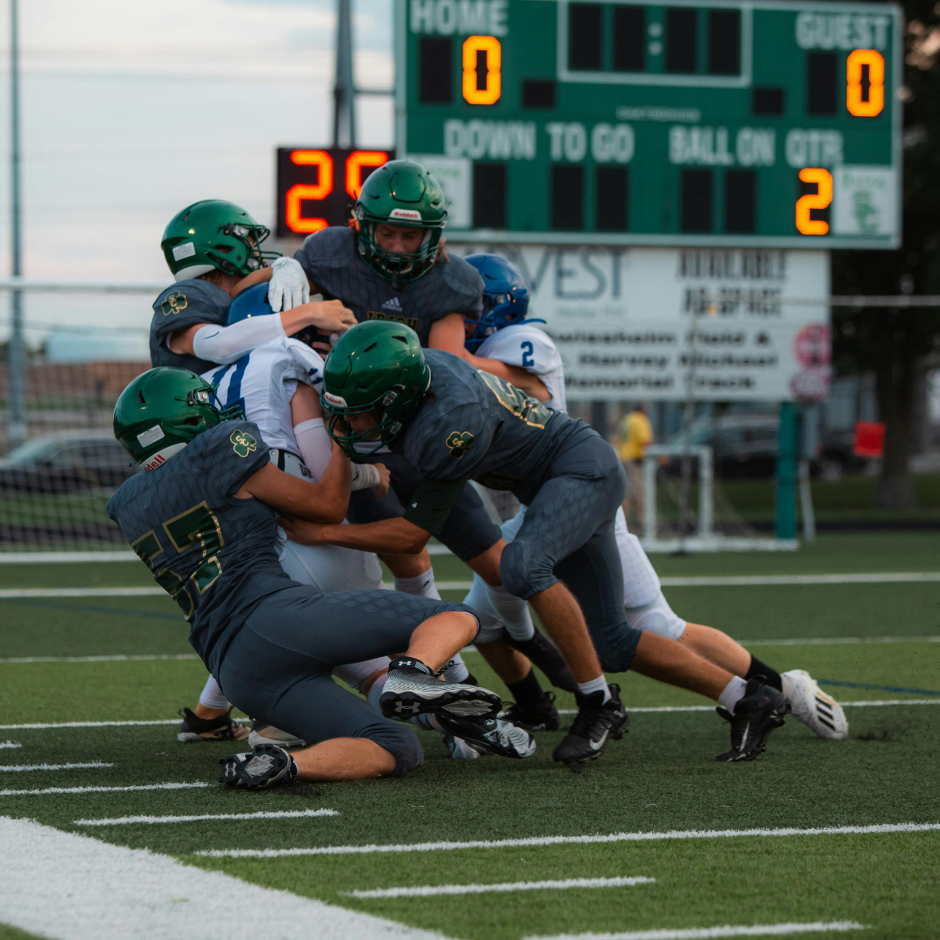
Healthcare organizations need the same kind of foundation. As healthcare becomes more connected, technology, security, safeguards, compliance, and technical leadership become increasingly important to an organization’s ability to move information safely and reliably.
CMS 0057 F moves healthcare toward greater electronic information exchange tied to prior authorization, provider access, payer to payer exchange, and member access. Greater access creates significant opportunity, but it also creates greater responsibility. Organizations need to understand how information moves, who should have access to it, how that access is managed, how activity is monitored, and how privacy is protected.
The role of technology and compliance is not to slow the game down. It is to protect the play while allowing the organization to move forward. Strong protection begins before a workflow goes live. Governance, access controls, risk analysis, monitoring, staff education, vendor oversight, and clear escalation processes help establish the foundation for responsible information exchange.
These are not simply technical tasks. They are trust building activities. Technical leaders also help the organization understand the practical realities behind a strategy because a seemingly simple workflow may depend on information stored across multiple systems. An access requirement may involve identity verification, privacy considerations, data quality, and system integration. A reporting goal may expose gaps that were not visible when the strategy was originally created.
The defensive line helps identify those risks before they become larger breakdowns. When systems are secure, safeguards are clear, risks are understood, and information is reliable, the rest of the organization has more room to execute.
The Offensive Line: Frontline Teams Create the Path for Care
Care does not move forward simply because a rule was written. It moves because someone finds the missing information, completes the documentation, follows up with the provider, explains the next step, coordinates the handoff, or helps a person understand what is happening in their care.
 That is the work of healthcare’s offensive line. Nurses, physicians, nurse practitioners, care coordinators, care managers, utilization management teams, and other frontline professionals are the people closest to the workflow and often closest to the person receiving care. They understand where the process becomes difficult because they experience those challenges every day.
In football, the offensive line creates the path. It absorbs pressure, opens the lane, protects the play, and gives the rest of the team room to move the ball forward. Healthcare’s frontline teams do the same by turning organizational strategy into the countless daily actions that actually move care forward.
They are not simply carrying out a plan created somewhere else. Their experience determines whether the plan can actually work. When information is missing, they feel the delay. When workflows are confusing, they experience the friction. When communication fails, they are often the people trying to reconnect the pieces. When systems create unnecessary work, they are the ones finding ways around the obstacle so care can continue.
That is why organizations cannot design change without them. The goal should not be to ask frontline teams to carry more weight. The goal should be to give them a clearer path.
That means practical workflows, accessible information, defined handoffs, role specific education, simple escalation processes, and technology that supports the way care actually happens. It also means listening to the people closest to care delivery when they identify where the process slows down, where information is unclear, or where a relatively small change could make a meaningful difference.
When frontline teams are supported, they have more time and space to focus on the person rather than the process surrounding them. That is when regulatory change begins to translate into something meaningful at the point of care.
What This Means for Justin
For Justin, none of these roles exist in isolation. He does not experience CMS requirements, executive strategy, clinical governance, technology infrastructure, compliance controls, and operational workflows as separate parts of healthcare. He experiences whether his care moves forward.
 He notices whether his provider has the information needed to make a decision. He feels the impact when authorization takes too long. He knows when he has to repeat information that should already be available, and he experiences the confusion when one part of the care team does not know what another part has already done.
When the healthcare team is aligned, Justin may never see the work happening behind the scenes, and that is exactly the point. The rules, strategy, clinical leadership, technology, safeguards, and daily workflows should work together so the patient experiences something much simpler: a clearer path to the care they need.
The Touchdown Is Better Care
No football team wins because one player performs well. The league establishes the rules. Coaches design the strategy. The quarterback reads the field. The defensive line protects the play. The offensive line creates the path. Every role contributes something different, and every role depends on the others.
Healthcare transformation works the same way. CMS may establish the expectations, but organizations determine how those expectations become reality. Executive leadership creates direction. Clinical leadership keeps strategy connected to care. Technology, security, and compliance protect the infrastructure. Frontline professionals turn the strategy into daily action.
The objective is not simply to satisfy a requirement or complete another checklist. The touchdown is when the person receives the care they need. It is when the provider has the right information to make a decision, when a care coordinator can connect the pieces without chasing information across disconnected systems, and when a nurse or physician can focus more attention on care because the process around them is working the way it should.
Rules can raise the standard of the game, but it takes the entire team to rise with them.